
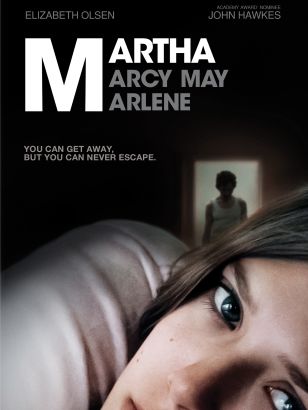
I disagree. The film's message is significant to our lives because it draws parallels between the farm and the lake home.
Whenever a flashback scene came on, I actively watched the lifestyle of the cult members. I think that like me, many viewers will try to notice all of the attributes that distinguish the characters who live at the farm from members of mainstream society.
Then, when I watched a scene set at the sister's house where the rules of normal culture apply, my attention was highly sensitive to picking out the rules underlying every social interaction. Whenever Martha crossed a line, and her sister or her husband responded negatively, I was made aware of how their sense of propriety is not universal, but rather, one particular set of cultural rules that could be easily replaced with another. My awareness would not have been aimed at picking apart the sister's and husband's code of behavior if the film did not cut back and forth between the farm and the lake house, thereby inviting comparison between the two.
Recall the scene when Martha lies down on the bed where her sister is having intercourse with her husband. The sister tells Martha not to walk into rooms where other people are having sex, but the only reason she can give to support her position is "because it's not normal."
(To be fair, the sister might not be the best person for the task of justifying the need for sexual privacy—there are more valid reasons why people should not barge in on other swho are sleeping together. But there are also valid reasons why people shouldn't care.)
I like that the film draws parallels between cult life and normal life. When we, the audience, compare the two, we are challenged to reconsider the reasons why we do things the way that we do, and to be more open minded about behavior that we reflexively dismiss as wrong and weird.

No comments:
Post a Comment